Episode 3 · Mar 27, 2026 · 22 min
Google rankings are liquid. They shift, update, and respond to new competition every day.
AI citations are concrete. When a model is trained on a snapshot of the internet, whatever was the primary source at that moment becomes the default answer — potentially for years.
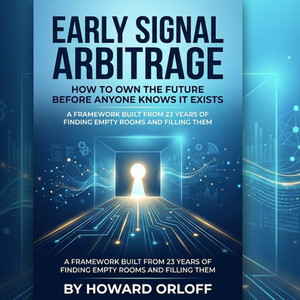
Episode 3 of Early Signal Arbitrage breaks down the AI Snapshot Problem: why being first today carries more durable authority than it ever did in the Google era, and what it means to build for machines that are reading the web right now, freezing it, and serving it back to millions of people later.
Howard Orloff has spent the last three years architecting specifically for this window — before the next training snapshot closes. The concrete sets fast. Build before it does.
ShieldWord.com — elder fraud protection, AI voice cloning defense
InteractSafe.com — drug and supplement interaction safety
Book: books2read.com/earlysignalarbitrage